
 Malaysia
 Singapore
Comparing POS system pricing usually means working out what’s actually included once add-ons, hardware costs and per-transaction fees are added up. Here’s what sits inside EPOS360’s Grow plan, what it costs, and how that compares to running payments, delivery and loyalty as separate tools.
What the Grow Plan Actually Includes
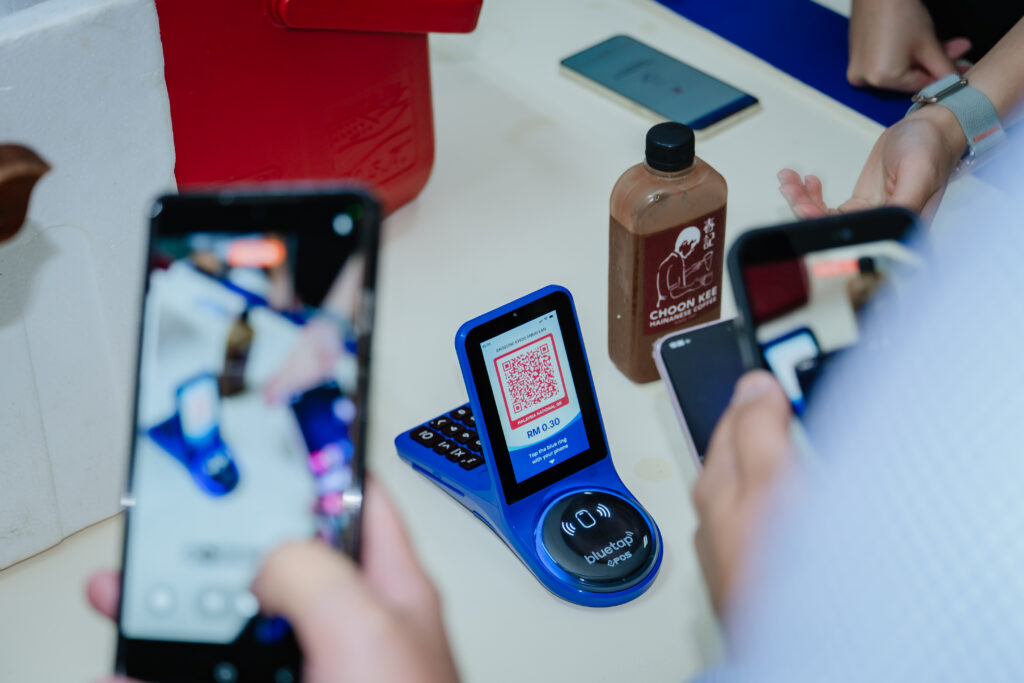
EPOS360’s Grow plan is built as a single subscription covering the features this series has gone through individually: an all-in-one payment terminal, food delivery integration for GrabFood and Foodpanda, scan-to-order for dine-in tables, a loyalty and rewards system, and AI-generated sales insights that flag underperforming items and slow hours. Fast onboarding runs through the Touch ‘n Go eWallet app, a direct result of EPOS360’s partnership with TNG Digital, and 24/7 support is included rather than sold as a separate tier.
The plan also comes with a free soundbox as part of the all-in-one payment hub, so a business isn’t paying separately for the hardware needed to confirm a transaction has gone through. This matters more than it sounds, since payment hardware is often where separate quotes from different providers start adding unexpected cost on top of a monthly software fee.
How Much It Costs
Pricing for the Grow plan starts from RM39 a month, with businesses that commit to a 12-month subscription receiving 3 extra months free, effectively stretching a year’s payment across 15 months of use. This structure suits businesses that already know EPOS360 fits their operations and want to lock in the lower rate, more than it suits a business still deciding whether to switch.
The exact monthly figure can vary depending on hardware selection and business setup, which is normal for POS pricing generally, since a single till differs from a multi-terminal setup with several BlueTap readers across counters. The most accurate way to confirm pricing for a specific setup is through a demo, where the numbers can be matched against the actual number of terminals, order volume and delivery platforms a business runs.
What Replacing Separate Tools Actually Saves
The clearest way to judge whether a consolidated POS system is worth it is to add up what a business currently pays across separate tools and compare that to a single Grow plan subscription.
A typical fragmented setup might include a card payment machine with its own monthly rental, a QR payment provider, separate tablets and possibly separate fees for each delivery platform’s own hardware, and a loyalty app charging its own subscription on top of everything else. None of these costs are large individually, which is exactly why they’re easy to overlook, but added together they often exceed what a single Grow plan subscription costs, before accounting for the staff time spent reconciling multiple systems at the end of each shift.
The other saving is harder to put a number on but shows up quickly once a business switches: fewer missed orders from checking multiple tablets, fewer reconciliation errors from combining separate settlement reports by hand, and less time spent training new staff on several different tools instead of one.
Who the Grow Plan Fits Best
The Grow plan is built around F&B and retail businesses that need more than a basic till, specifically those already taking delivery orders, considering scan-to-order for dine-in tables, or wanting a loyalty programme that doesn’t require a separate app. A very small operation with no delivery orders and no dine-in tables to speak of may not need every feature in the plan, though the all-in-one payment hub alone still tends to be worth the switch for the reconciliation time it saves.
Businesses already running EPOS360 for one feature, such as payments alone, can add scan-to-order, delivery integration or loyalty within the same Grow plan rather than needing to upgrade to a different product tier, since these aren’t sold as separate add-ons layered on top of a base subscription.
Common Questions About Pricing
New hardware is not always required to switch, since the Grow plan is designed to work with the terminals EPOS360 provides as part of the subscription rather than requiring a business to source separate devices. The BlueTap reader and Series 1 soundbox are the two most common pieces of hardware included, both covered under warranty for the length of the subscription.
Setup typically does not require an extended transition period. Most of the work involves configuring the menu, payment methods and any delivery platform accounts already in use, which is closer to a data-entry task than a technical migration.
Foodpanda and GrabFood fees are unaffected by using EPOS360, since those platforms set their own commission independently of the POS system a business uses. EPOS360 does not add its own charge on top of what these platforms already take, so consolidating onto one screen changes how orders are managed, not what delivery commission is owed.
Seeing the Numbers for a Specific Business
Pricing pages are useful for understanding what’s included, but the number that actually matters is what a specific business would pay given its own terminal count, order volume and delivery platforms. That figure is best confirmed directly rather than estimated from a general pricing page, since setups vary enough that a rough number risks being misleading either way.
More than 13,000 merchants across Malaysia already run on this platform, spanning F&B, retail and service businesses of varying sizes, which is a reasonable indication that the Grow plan holds up across different kinds of operations rather than suiting only one type of business.
Book a demo to get exact pricing for your setup, or start a trial through the EPOS360 console to see the Grow plan running with your own menu and payment methods.