
 Krystine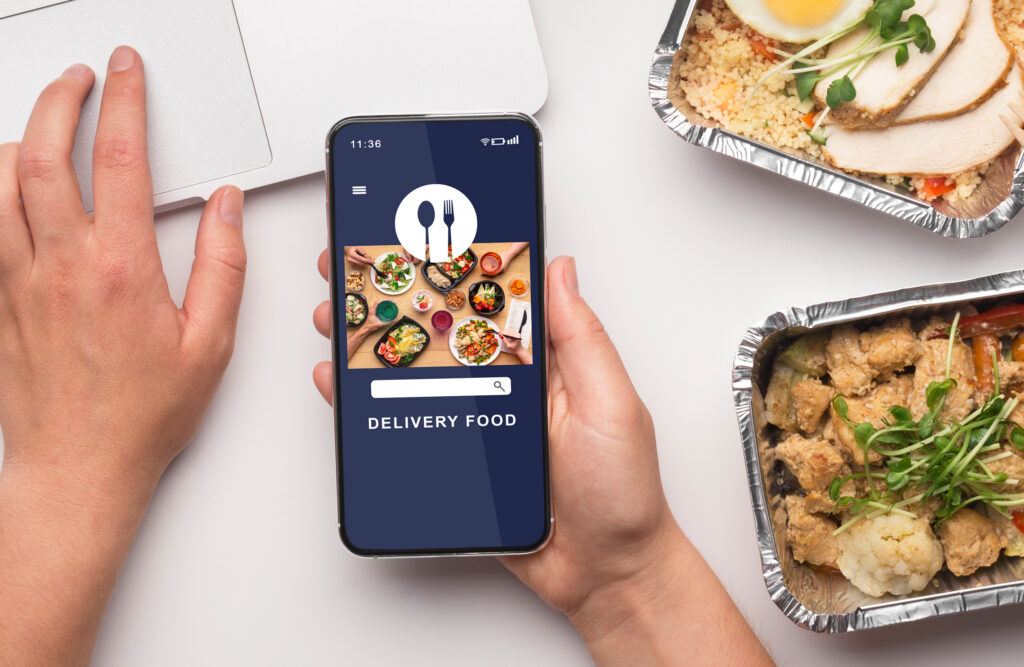
What an Online Ordering System Actually Is
An online ordering system is a business’s own ordering channel, usually a link or a QR code that opens a digital menu, separate from any third-party delivery platform. A customer browses the menu, places an order, and pays directly to the business, either for pickup or for delivery arranged through the business’s own riders or a delivery-only partner that doesn’t take a cut of the order value itself.
The distinction that matters here is ownership. A GrabFood or Foodpanda listing belongs to the platform, which sets its own commission, controls how the menu is displayed alongside competitors, and owns the customer relationship in the sense that repeat orders often go through the app rather than back to a specific business by name. An online ordering system run directly by a business keeps that relationship, since the customer is ordering from the business’s own channel rather than browsing a marketplace of options.
What Delivery Platform Commissions Actually Cost
Commission rates on delivery platforms in Malaysia typically sit in a range that eats a meaningful share of an order’s value, and that cut applies whether the order is a small solo lunch or a large group order, with no reduction for higher-value transactions. For a business running most of its delivery volume through third-party platforms, this commission is often one of the largest recurring costs on the books, larger in many cases than rent or utilities for a smaller outlet.
The commission is not the only cost either. Delivery platforms often run their own promotions and discounts that a listed business is expected to participate in to stay visible in search results within the app, which pulls margin down further on top of the base commission. None of this makes delivery platforms not worth using, since they bring in customer volume a business wouldn’t otherwise reach, but it does mean every order routed through a platform costs more than the same order taken directly.
Where a Direct Ordering Channel Fits
An online ordering system is not usually a replacement for GrabFood and Foodpanda, since those platforms bring genuine discovery value for new customers who wouldn’t otherwise find a business. It works better as a second channel aimed specifically at customers who already know the business, repeat customers, people who found it through social media, or diners who picked up a flyer with a QR code on it.
This is where the commission savings compound. A first-time customer discovered through a delivery platform is reasonably expected to order through that platform, since that’s how they found the business in the first place. But once that customer becomes a regular, there’s little reason for every subsequent order to keep paying a platform commission, if the business has given them an easy, direct way to order instead. Table tents, receipt QR codes, and social media links pointing to a direct ordering page are the usual ways businesses redirect repeat customers toward the channel that doesn’t cost a commission.
Running a Direct Store Alongside Everything Else
The practical risk with a separate online ordering system is the same one that shows up with delivery platforms generally: another screen for kitchen staff to check, another menu to keep updated, another set of sales data sitting apart from the rest of the business’s reporting.
Within EPOS360, an online store runs through the same POS system already handling counter sales, scan-to-order and delivery platform integration, so orders placed directly land in the same kitchen ticket queue as everything else rather than requiring a separate device. Menu items and pricing update once and apply across the direct store, GrabFood, Foodpanda and dine-in ordering together, so a sold-out item doesn’t need updating in four separate places. Sales through the direct channel also show up in the same reporting as delivery and dine-in sales, which makes it possible to actually compare how much of total revenue is commission-free versus platform-dependent, rather than guessing.
Getting Customers to Actually Use It
Setting up a direct ordering channel is the easy part. Getting customers to use it instead of defaulting back to a delivery app out of habit takes deliberate effort, since most customers won’t switch channels on their own even if it’s technically available.
The businesses that see real adoption tend to give customers a specific reason to order directly rather than just making the option available. A small discount on direct orders, a loyalty reward that only accrues through the direct channel, or simply a QR code placed where a customer is already looking, on the receipt, on the table, at checkout, all nudge behaviour more effectively than a link buried on a website that customers have no reason to visit. Since loyalty already runs through the same system as the direct store, a business can tie rewards specifically to commission-free orders without building a separate promotion mechanism.
For a business currently sending most of its delivery volume through third-party platforms, the fastest way to see the impact of a direct channel is to track what share of orders shift over within the first month of actively promoting it at the counter and on receipts.
Book a demo to see how an online ordering system would work alongside your current delivery platforms, or start a trial through the EPOS360 console.
 Malaysia
 Global
 Singapore