
 Krystine

What is a static DuitNow QR?
A static QR is one fixed code for your business. You print it, stick it on the counter and it stays the same for every sale.
The customer scans it in their bank or e-wallet app, types in the amount and pays. It costs nothing to display and works without any screen at the counter.
What is a dynamic DuitNow QR?
A dynamic QR is generated fresh for each sale by your POS or payment terminal. The amount is already filled in. The customer scans, checks the amount and confirms.
Because each code belongs to one transaction, it can’t be reused, and it usually expires after a short time.
Static vs dynamic DuitNow QR at a glance
| Static QR | Dynamic QR | |
| Who enters the amount | The customer | Your POS or terminal |
| Code changes per sale | No | Yes |
| Risk of wrong amount | Higher; customers can mistype | Low; amount is pre-filled |
| Hardware needed | None, though a soundbox helps | A terminal or screen to show the code |
| Speed at the counter | Fast for regulars who know the price | Fast for any order, especially odd totals |
| Matching payment to order | Manual, unless a device confirms it | Automatic; payment links to the order |
| Best for | Stalls, simple menus, fixed prices | Cafés, restaurants, shops with varied totals |
The three problems with static QR, and how to fix them
1. Wrong amounts. A customer types RM8.50 instead of RM18.50. During a rush, nobody notices. Dynamic QR removes the typing.
2. Fake payment screenshots. Someone flashes an old “payment successful” screen. Staff can’t check every phone at peak hour. A QR soundbox that announces each payment out loud solves this, as our guide to QR payment soundboxes explains.
3. Messy reconciliation. With a plain sticker, payments land in your account with no link to what was sold. At closing, totals rarely match the orders. A device or POS that records each QR payment fixes this.
Which DuitNow QR should you use?
-
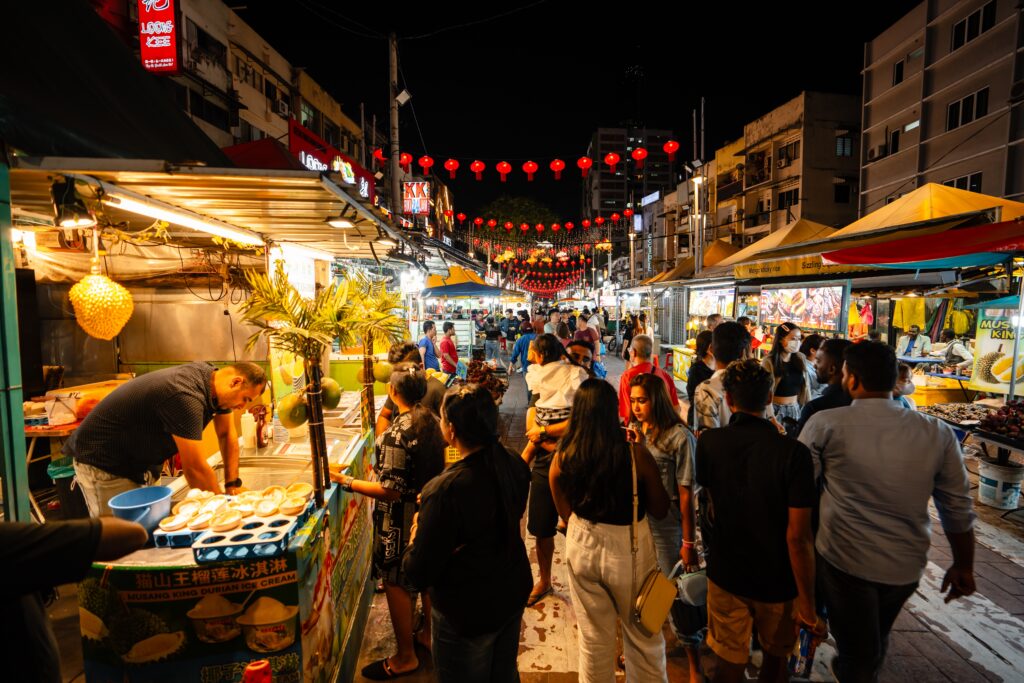
Pasar malam, bazaar or hawker stall with fixed prices: static QR with a soundbox. Cheap, fast and fraud-resistant.
-
Kopitiam or food court with a few set prices: static QR plus soundbox at the drinks counter works well. Add dynamic QR at the cashier if totals vary. See our guide to POS systems for kopitiams and mamak.
-
Café, restaurant or retail shop: dynamic QR from your POS or terminal, so every payment matches its order.
-
Busy counter with a queue: both. Regulars scan the standee; larger orders get a dynamic code.
Many shops end up using both. What matters is that every payment is confirmed instantly and recorded in one place.
Choosing a terminal that does both
If you also take cards and e-wallet tap-to-pay, look for one device that handles DuitNow QR (static and dynamic), cards and e-wallets. A counter full of separate machines means separate settlements and separate reports. Our post on why SMEs are ditching multiple payment machines covers the trade-offs, and choosing a POS terminal covers the hardware.
Frequently asked questions
What is the difference between static and dynamic DuitNow QR? A static QR is one fixed code where the customer enters the amount. A dynamic QR is created for each sale with the amount already filled in.
Is static DuitNow QR safe? Yes, but it’s open to wrong amounts and fake screenshots. Pair it with a soundbox or instant on-screen confirmation.
Do I need special hardware for dynamic QR? You need a POS, terminal or screen that can generate the code for each sale.
Can customers pay a static QR with any bank app? Yes. DuitNow QR works across participating Malaysian banks and e-wallets.
Are there fees for DuitNow QR payments? It depends on your provider. On EPOS360, DuitNow QR payments carry no fees.
Take both kinds of DuitNow QR with EPOS360
The Soundbox S1 handles static DuitNow QR with zero fees and announces every successful payment out loud. BlueTap A01 adds dynamic QR with the exact amount pre-filled, plus Visa and Mastercard. Both link to the EPOS360 app, payments settle instantly to your TNG eWallet, and Grow subscribers get the Soundbox free.


 Malaysia
 Global
 Singapore