
 Primal SEO Agency
Key Takeaways:
- A stall has no power point, no fixed line and no counter, so a mobile terminal has to carry its own battery, its own connection and its own confirmation.
- Audio confirmation matters more than a screen at a night market, because staff cannot watch a display while serving a queue.
- A terminal that takes a SIM card does not depend on venue Wi-Fi or on a phone’s hotspot.
- The cost of a mobile setup is not only the device. Processing rates, settlement timing and what the plan includes decide what you actually keep.
- Fixed-outlet merchants trading a weekend bazaar should extend the system they already run rather than buy a second one.
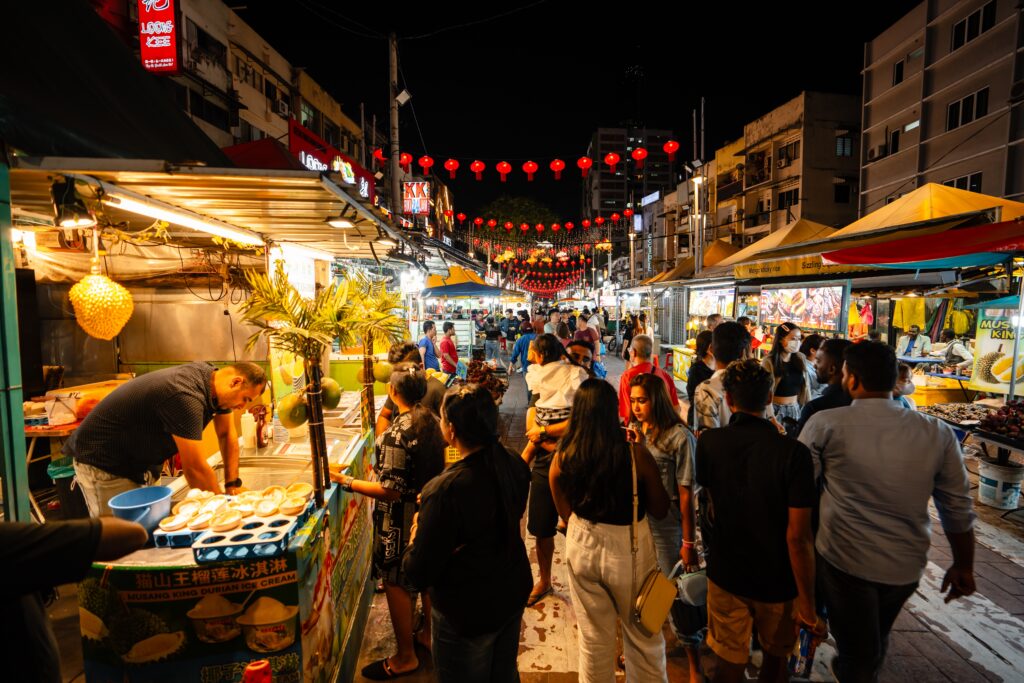
Running a night market stall, food truck, or weekend bazaar booth is a completely different experience from managing a physical shop. Without power outlets, fixed internet, or counter space for heavy equipment, traditional till setups simply won’t work. That’s why in Malaysia, a POS machine built for market traders looks nothing like the bulky registers you see on standard store counters.
What a Mobile POS Machine Is
A mobile POS machine in Malaysia is a single handheld terminal that takes the payment, records the sale and confirms it on the spot. One unit replaces the till, card terminal and QR standee, with no plug or fixed line required.
Four things decide whether a terminal works away from a counter:
- Its own battery. Enough charge for a full trading session, with a power bank as backup on a long day.
- Its own connection. A SIM slot matters more than Wi-Fi, because the terminal then takes payment without depending on the venue or on your phone. The phone still earns its place for checking sales and adjusting items, but the money does not stop if it runs flat.
- Every payment method in one place. DuitNow QR across the banking apps, the major e-wallets and contactless cards, without a separate reader for each.
- Confirmation you can hear. A voice alert tells whoever is serving that the money arrived, without anyone stopping to look at a screen. That last one matters more than it sounds, because glancing at a phone someone else is holding is exactly how screenshot scams succeed.
What Changes Once the Stall Has One
The difference shows up in the queue first. Cash handling slows every transaction, and breaking a RM50 note in the middle of a rush costs more time than the sale is worth.
- The queue moves. A tap or a scan clears in seconds, with no change to count out and no notes to check.
- Disputes end at the stall. A voice alert settles the question of whether a transfer went through, there and then.
- The night adds up by itself. Takings are in a report rather than in a tin, so the count at close is a check rather than a reconstruction.
- Trading days become comparable. Work several markets a week and the sales reports show which days actually paid for themselves.
When Your Stall Needs a POS Machine
A POS machine in Malaysia is not a compulsory tool for every stall. A trader selling one item at a round price, cash only, from a single pair of hands, manages perfectly well without.
The point to reconsider usually arrives with one of these:
- Customers ask to pay by QR or card often enough that you are losing sales by saying no
- A second person works the stall, so takings pass through more than one pair of hands
- The cash in the tin regularly fails to match what you believe you sold by the end of the night
- You already run a shop and want the bazaar weekend counted in the same figures
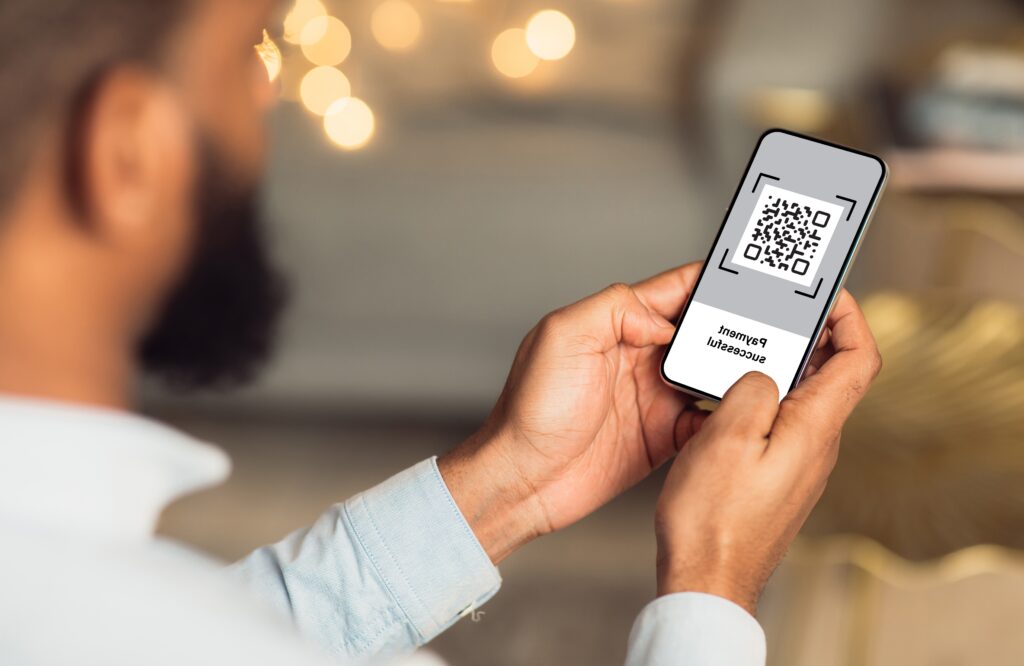
What a POS Machine Really Costs to Run
The device price is the part everyone compares. It is rarely the part that decides what you keep.
When working out the cost of a POS system for your food truck or stall, make sure to get clarification on these four key factors:
- The rate on each payment type. QR, card and e-wallet are not always charged the same way, so ask for the figure on each, including whether DuitNow QR carries a fee at all.
- Settlement timing. Money that reaches a wallet instantly and money that reaches your bank the next working day are two different things on a Friday night.
- What the plan includes. Some bundles cover sales reporting, online ordering and loyalty tools in one price. Others charge for each.
- What a second terminal costs. Worth knowing before the second food truck, not after.
Why Mobile Traders Choose EPOS
Designed specifically for mobile trading, the EPOS BlueTap combines a 3.97-inch front display, a 1.9-inch rear display, and a built-in soundbox into a single compact terminal. Powered by Wi-Fi or SIM connectivity, it runs reliably throughout your shift without requiring external power.
The terminal supports contactless Visa and Mastercard, tourist e-wallets like Alipay+ and WeChat Pay, and DuitNow QR across all major banking and e-wallet apps, including Touch ‘n Go, Boost, and ShopeePay. With 0% MDR on DuitNow QR transactions, you keep more of your earnings. Payments land instantly in your Touch ‘n Go merchant wallet, with eligible sales settling into your bank account the next business day as a single consolidated payout. To protect against screenshot scams, the integrated QR payment soundbox provides instant voice alerts for pre-filled dynamic QR transactions.
If you are evaluating the best POS system for food trucks, night markets, or bazaar stalls, request a demo from EPOS to see how its current plans and rates align with your business.
Frequently Asked Questions About Mobile POS Machines
What is the best all-in-one POS and payment terminal for food trucks in Malaysia?
The right terminal is the one that suits your trading conditions rather than the one with the longest feature list. A food truck has no mains power, no fixed broadband and very little counter space, so the terminal needs its own battery, its own mobile connection and the ability to take every payment type from a single unit. Two questions separate the suitable from the merely available: how it performs 5 hours into a session, and how it behaves where the signal is weak.
How long does a mobile POS machine last on battery?
Most handheld terminals provide 4 to 8 hours of active use, which is the range EPOS lists for BlueTap and comfortably covers an evening market session. Charging between trading days means the terminal begins every shift at full capacity. For an all-day weekend bazaar or 2 sessions in a row, a compact power bank keeps it running without any interruption to service.
Can I integrate GrabMerchant with my POS system?
Integration is only useful if the system connects to the platforms you already sell on, so ask any supplier to name them rather than accept a general assurance. The question matters most to food trucks and stalls taking delivery orders alongside walk-up trade, and far less to a trader serving only the queue in front of them. BlueTap runs on EPOS360, which integrates with GrabFood and Foodpanda, bringing those orders onto the same screen as counter sales rather than a separate tablet.
Do I need a separate card reader for a mobile stall?
Not when the terminal handles cards itself. The real cost of a separate reader lies less in its price than in the second charging cable, the Bluetooth connection that drops during a rush and the additional item to account for at the end of the night. A single unit that takes contactless Visa and Mastercard while displaying your dynamic DuitNow QR removes all three.


 Malaysia
 Global
 Singapore