
 Krystine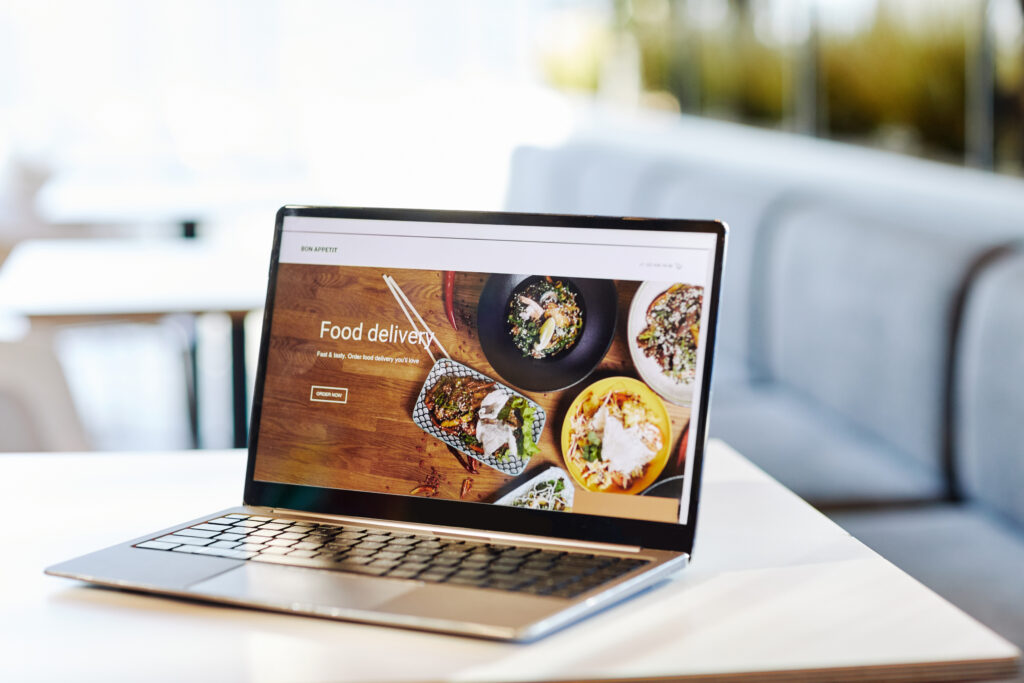
What Running Without a Website Actually Looks Like
Plenty of cafés and restaurants operate successfully with no website at all, relying instead on an Instagram page for updates and a GrabFood or Foodpanda listing for anyone searching for food nearby. For a long time, this has been enough, since customers are used to finding small F&B businesses this way, and building a website has historically felt like unnecessary effort for a business that already gets by without one.
The gap in this approach shows up less in day-to-day operations and more at specific moments: when a customer searches the business’s name directly and finds a delivery platform listing instead of anything the business controls, when Instagram changes its algorithm and organic reach drops overnight, or when a customer wants basic information, hours, location, full menu, that isn’t easily visible on a social media profile built for photos rather than information.
What an Online Store Website Actually Provides
An online store website, at its most basic, is a single place a business fully controls, showing the full menu, hours, location and a way to order, all without depending on how a third-party platform chooses to display that information. This matters in a way that’s easy to underestimate, since a delivery platform listing and a social media page are both, ultimately, spaces a business rents rather than owns. Either can change its layout, algorithm or terms at any point, and the business has no say in it.
A website search shows up for is also the one place where a business’s own branding, tone and full story are presented exactly as intended, rather than fitted into a template shared with every other listing on a delivery platform. For a business trying to build a distinct identity rather than compete purely on being one more option in a delivery app’s search results, that level of control is difficult to replicate anywhere else.
Search Visibility Beyond Social Media
Instagram and delivery platform listings don’t generally show up well in a plain Google search for a business’s name or nearby food options, since neither is built to be indexed and ranked the way a proper website is. A business with its own website has a real shot at appearing directly in search results when someone looks it up, rather than relying entirely on whichever platform’s app a customer happens to already have installed.
This becomes more relevant over time rather than less, since a business’s own website accumulates search visibility the longer it exists and the more consistently it’s maintained, in a way an Instagram page or delivery listing doesn’t build toward in the same manner. A new customer searching for a specific type of food nearby is more likely to land on a business with any web presence at all than one that exists purely inside apps they haven’t opened yet.
Where a Website Fits Alongside Delivery Platforms and Social Media
None of this means a website replaces Instagram or delivery platforms, since each serves a different part of how customers actually find and interact with an F&B business. Social media remains useful for visual content and building a following. Delivery platforms remain useful for discovery among customers already browsing for food nearby. A website’s role is different: it’s the destination a business fully controls, useful for customers who already know the business by name, want direct information, or are being pointed there from a QR code on a receipt or a link in a social media bio.
A website also becomes the natural home for a direct ordering channel, since a business’s own online store carries more weight as an official, trustworthy place to order from than a generic link shared through social media alone. It also gives a business a single link to point to across every channel, on a receipt, in a social media bio, on printed materials, rather than juggling separate links for a delivery listing, a booking tool and an Instagram profile that each show a different, partial version of the business.
Setting One Up Without It Becoming Another Thing to Maintain
The concern that stops many F&B businesses from building a website isn’t usually cost, it’s the fear of one more thing to keep updated alongside social media, delivery platforms and the actual running of the business. This concern is fair for a standalone website built and maintained separately from everything else, since menu changes then need updating in yet another place on top of every other channel.
Within EPOS360, a business’s online store draws on the same menu, pricing and stock data already used for counter sales, delivery integration and scan-to-order, so a price change or a sold-out item updates the website automatically along with everywhere else, rather than requiring a separate update. This is what makes owning a website practical for a small F&B business rather than an added maintenance burden on top of everything already being managed.
Book a demo to see how a branded online store would look with your own menu, or start a trial through the EPOS360 console.



 Malaysia
 Global
 Singapore